Be yourself; Everyone else is already taken.
— Oscar Wilde.
This is the first post on my new blog. I’m just getting this new blog going, so stay tuned for more. Subscribe below to get notified when I post new updates.
Be yourself; Everyone else is already taken.
— Oscar Wilde.
This is the first post on my new blog. I’m just getting this new blog going, so stay tuned for more. Subscribe below to get notified when I post new updates.
On Friday, November 22, 2019, I attended a presentation on opportunities for experiential learning in the business school. The presentation focused on externships and internships and when students can expect to get an externship and internship. The presentation went on to explain that the goal of experiential learning is not only to find what you are passionate about but also what does not interest you.
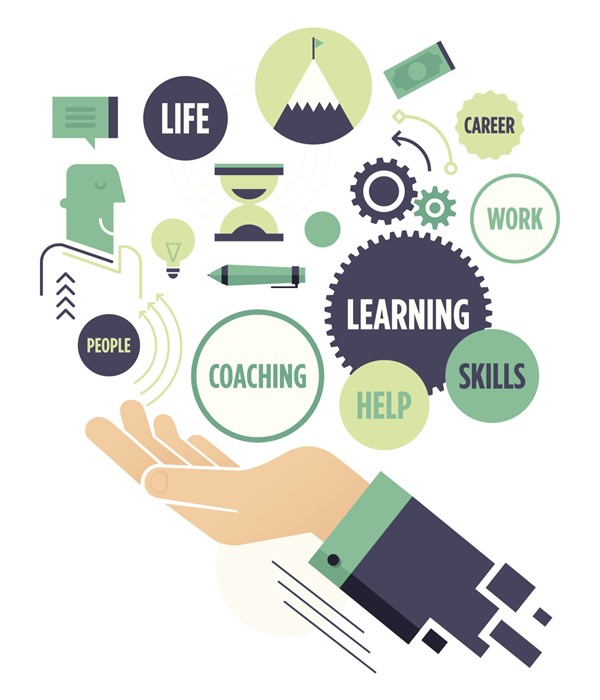
The first type of experiential learning a student at Villanova would most likely participate in is an externship. An externship ranges in duration from one day to two weeks but is typically a few days. During an externship, a student gets an inside view of the company. The student gets to learn the culture and value of the company while seeing how the company operates on a daily basis. One externship the presentation highlighted was the PWC leadership development program (The link is below). The PWC leadership development program is one form of an externship designed to give accounting majors an inside look at PWC and decide if they would like to work at PWC.
https://www.pwc.com/us/en/careers/entry-level/internships.html
After an externship, students will try to get an internship. Internships often take place in the summer on a full-time basis or during the school year on a part-time basis. Internships often take place in the summers after junior and senior years or during the school year when the student is a junior or senior. By applying for and getting an internship, students gain valuable insight into applying for and interviewing for jobs since internships typically have interviews and applications. When working as an intern, students get an even more in depth look at a company over a longer period. As an intern, students can get into a pattern of working for the company full-time and deicide if they enjoy the work and if they can see themselves working for the company in the future.
The presentation went on to a highlight a specific kind of internship that is relevant to accounting majors. Rather than applying for the typical summer accounting internship after junior year, there is a program that allows accounting majors to do a full-time internship during busy season which is during the spring semester and take the time off from school. Once the student completes the internship, they then come back to campus and complete accelerated classes in the spring and summer to catch up on the time they missed. The presenters highlighted this as great way to receive an early job offer before the summer interns since winter interns complete their internship before the summer. Because of this, they may have more choices on where they would like to work.
The presentation provided valuable insight on the importance of experiential learning and went over the details of when and who the different forms of experiential learning are for. Due to this, I would highly recommend that other students attend the presentation on experiential learning, so they do not miss out on any exciting opportunities.
This is an example post, originally published as part of Blogging University. Enroll in one of our ten programs, and start your blog right.
You’re going to publish a post today. Don’t worry about how your blog looks. Don’t worry if you haven’t given it a name yet, or you’re feeling overwhelmed. Just click the “New Post” button, and tell us why you’re here.
Why do this?
The post can be short or long, a personal intro to your life or a bloggy mission statement, a manifesto for the future or a simple outline of your the types of things you hope to publish.
To help you get started, here are a few questions:
You’re not locked into any of this; one of the wonderful things about blogs is how they constantly evolve as we learn, grow, and interact with one another — but it’s good to know where and why you started, and articulating your goals may just give you a few other post ideas.
Can’t think how to get started? Just write the first thing that pops into your head. Anne Lamott, author of a book on writing we love, says that you need to give yourself permission to write a “crappy first draft”. Anne makes a great point — just start writing, and worry about editing it later.
When you’re ready to publish, give your post three to five tags that describe your blog’s focus — writing, photography, fiction, parenting, food, cars, movies, sports, whatever. These tags will help others who care about your topics find you in the Reader. Make sure one of the tags is “zerotohero,” so other new bloggers can find you, too.

 Austin’s Blog